Mining Companies: A Complete Guide to Mining Stocks and Gold Investing

Mining companies play a critical role in supplying the raw materials that power modern industries. From gold and silver to copper, lithium, uranium, and rare earth elements, these companies extract valuable resources used in construction, electronics, renewable energy, and manufacturing.
For investors, mining companies also present opportunities to build wealth through mining stocks and long-term gold investing strategies. Whether you're interested in precious metals or battery minerals, understanding how mining companies operate can help you make better investment decisions.
This guide explains the different types of mining companies, how mining stocks work, what drives profitability, and what investors should evaluate before investing.
What Are Mining Companies?
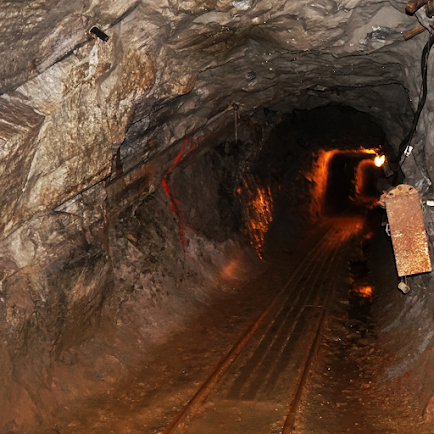
Mining companies are businesses that explore, develop, and extract minerals and metals from the earth. They range from small exploration firms searching for new deposits to multinational corporations operating large-scale mines across multiple countries.
Most mining companies focus on one or more commodities, including:
- Gold
- Silver
- Copper
- Lithium
- Nickel
- Uranium
- Zinc
- Lead
- Iron Ore
- Rare Earth Elements
Each commodity serves different industries, making mining an essential part of the global economy.
Types of Mining Companies
Understanding the different categories helps investors choose companies that match their investment goals.
1. Junior Mining Companies
Junior miners primarily focus on mineral exploration and discovering new deposits. They generally have smaller market capitalizations and higher growth potential but also carry greater risk.
Characteristics include:
- Early-stage exploration
- Limited production
- Higher volatility
- Potential acquisition targets
Many investors seek junior mining companies for their upside during commodity bull markets.
2. Mid-Tier Mining Companies
Mid-tier companies typically operate producing mines while continuing exploration activities.
Advantages include:
- Growing production
- Better financial stability
- Lower risk than juniors
- Expansion opportunities
They often strike a balance between growth and stability.
3. Major Mining Companies
Large mining corporations operate multiple mines worldwide and generate substantial revenue.
Benefits include:
- Diversified operations
- Consistent cash flow
- Strong balance sheets
- Dividend potential
- Lower operational risk
These companies often lead the global mining industry.
How Mining Companies Make Money
Mining companies earn revenue by extracting and selling minerals.
The process generally includes:
- Mineral exploration
- Resource discovery
- Geological studies
- Environmental approvals
- Mine construction
- Mineral extraction
- Processing
- Selling metals or concentrates
Profitability depends on several factors, including:
- Commodity prices
- Production costs
- Ore grade
- Mining efficiency
- Government regulations
- Operating costs
Understanding Mining Stocks
Mining stocks represent ownership in publicly traded mining companies.
Rather than buying physical metals, investors purchase shares that may increase in value as companies grow or commodity prices rise.
Mining stocks generally fall into three categories:
Exploration Stocks
These companies search for new mineral deposits.
Potential rewards:
- Significant discoveries
- Acquisition opportunities
- High share price growth
Risks:
- No guaranteed discoveries
- Financing challenges
- Higher volatility
Producer Stocks
Producer companies already operate active mines and generate revenue through mineral sales.
Advantages include:
- Predictable cash flow
- Production history
- Lower exploration risk
Royalty and Streaming Companies
Instead of operating mines, these companies finance mining projects in exchange for future production or royalties.
Benefits include:
- Lower operational risk
- Diversified revenue
- Exposure to multiple mines
Why Gold Investing Remains Popular
For centuries, gold has been viewed as a store of value.
Today, gold investing remains attractive because gold often performs well during:
- Inflation
- Economic uncertainty
- Currency weakness
- Market volatility
- Geopolitical tensions
Investors can gain exposure through:
- Physical gold
- Gold ETFs
- Gold mutual funds
- Mining stocks
- Junior gold companies
Many investors combine physical gold with mining stocks to diversify their precious metals portfolio.
Factors That Affect Mining Company Performance
Mining businesses operate in a dynamic environment where multiple factors influence profitability.
Commodity Prices
Higher gold, copper, or lithium prices generally improve company earnings.
Exploration Success
Discovering high-grade deposits can significantly increase a company's valuation.
Production Costs
Lower operating costs often translate into higher profit margins.
Important cost factors include:
- Fuel
- Labor
- Equipment
- Energy
- Transportation
Political Risk
Mining projects often operate internationally.
Government policies regarding:
- Taxes
- Permits
- Royalties
- Environmental regulations
can directly impact operations.
Resource Size
Larger, higher-quality mineral resources typically provide longer mine life and better economics.
Benefits of Investing in Mining Companies
Mining companies offer several advantages for investors.
Portfolio Diversification
Mining stocks often behave differently than traditional sectors.
Exposure to Commodity Growth
Demand for metals continues to rise due to:
- Electric vehicles
- Renewable energy
- Infrastructure projects
- Technology manufacturing
Growth Potential
Junior exploration companies can experience significant gains after major discoveries.
Inflation Protection
Mining companies producing precious metals may benefit during inflationary periods.
Risks Investors Should Consider
While mining offers opportunities, every investment carries risk.
Common risks include:
- Commodity price declines
- Exploration failure
- Environmental challenges
- Political instability
- Financing difficulties
- Operational disruptions
- Rising production costs
Diversification can help reduce exposure to company-specific risks.
How to Evaluate Mining Companies
Before investing, consider several important factors.
Management Team
Experienced leadership often improves project execution and long-term success.
Financial Health
Review:
- Cash reserves
- Debt levels
- Operating cash flow
- Funding requirements
Mineral Resources
Understand:
- Resource estimates
- Ore grades
- Mine life
- Production potential
Project Location
Stable mining jurisdictions generally present lower political risk.
Growth Strategy
Look for companies with:
- Exploration upside
- Expansion plans
- Acquisition opportunities
- Production growth
Mining Companies and the Future
Global demand for minerals continues to increase.
Industries driving future demand include:
- Electric vehicles
- Renewable energy
- Battery manufacturing
- Artificial intelligence
- Data centers
- Infrastructure development
Critical minerals such as lithium, copper, nickel, graphite, and rare earth elements are expected to remain essential for technological advancement.
As the global economy evolves, mining companies will continue supplying the materials needed for future innovation.
Why Use Junior Miners?
Finding quality mining companies can be time-consuming. Junior Miners provides a comprehensive directory that helps investors discover exploration companies, producing miners, mining projects, and investment opportunities across multiple commodities.
Whether you're researching junior explorers, established producers, or opportunities in mining stocks, the platform makes it easier to explore companies operating in the global mining industry.
Visit the Mining Companies directory to browse mining businesses, explore investment opportunities, and stay informed about developments across the sector.
Conclusion
Mining companies form the foundation of the global resource industry by supplying the metals and minerals essential for economic growth and technological progress. For investors, understanding how these businesses operate is the first step toward making informed decisions about mining stocks and gold investing.
Whether your goal is long-term portfolio diversification or exposure to growing demand for critical minerals, researching company fundamentals, management quality, financial strength, and project potential can help identify promising opportunities. With careful analysis and a diversified approach, mining companies can play an important role in a well-balanced investment strategy.


Comments
Post a Comment